From Shenzhen to Paris: Why Culture, Not Price, Decides Asian Tech Success in Europe
Keywords: Asian brands Europe, European market entry strategy, cultural differences in business, tech distribution Europe
For JAIO, we see the same pattern again and again: highly competitive Asian brands arrive in Europe with strong products and sharp pricing and still struggle to scale. The real barrier is not performance or cost. It is culture-market fit: the ability to translate an Asian way of designing, deciding, and selling into a European environment that is fragmented, regulation-heavy, and brutally driven by trust.
Europe Isn't "One Market" Especially in IT Hardware
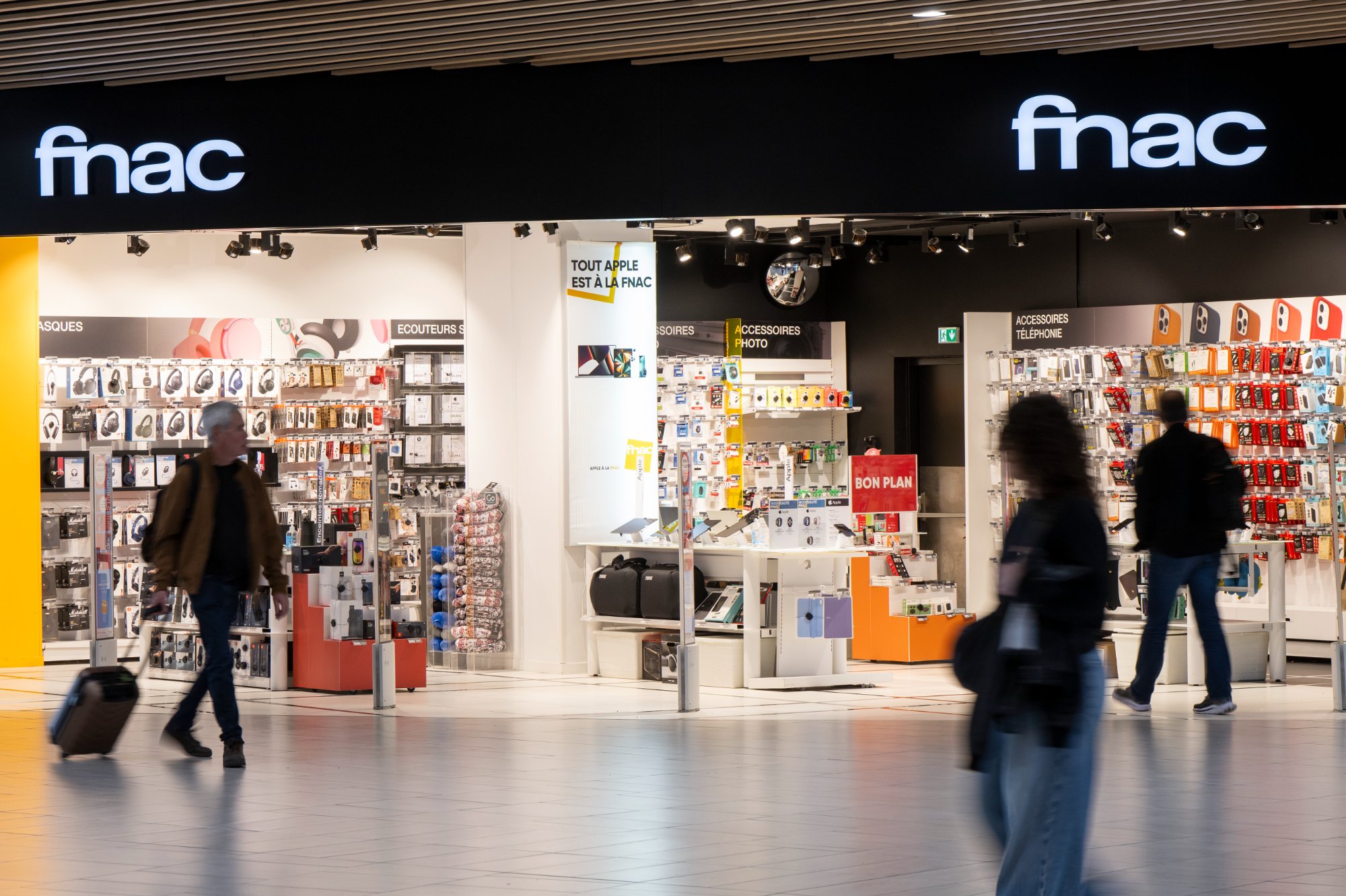
From a distance, "Europe" looks like a single growth region on a strategy slide. In reality, it is a patchwork of go-to-market logics, retail structures, and channel expectations.
Consumer protection and after-sales expectations are not optional add-ons; they shape how distributors, resellers, and end-users evaluate a brand. A PSU, chassis, monitor, or peripheral may be technically perfect, but if pricing structures, RMA workflows, or documentation don't match local norms, the product will underperform.
At JAIO, we treat "Europe" as a portfolio of micro-markets. The same Asian brand can be seen as a smart challenger in Germany, too risky in France, and invisible in the Benelux with the same catalogue.
High-Context vs Low-Context: The Invisible Mismatch
Many Asian organisations operate in a high-context mode: decisions and messages rely on relationships, shared history, and implicit understanding. European buyers both B2B and B2C expect low-context communication: explicit terms, written commitments, and formalised processes.
In practice, that means a "good relationship" with a distributor is not enough if discount policies, MDF rules, or warranty terms are not written, clear, and stable. What feels "flexible and adaptive" from the brand side can be perceived as "unpredictable and risky" by European partners.
When Culture Turns Into Channel Friction
Cultural gaps don't stay abstract; they show up in very operational ways in IT and gaming hardware:
- Rules vs exceptions: Some Asian teams are comfortable building business on exceptions and one-off deals. European distributors push for transparent, documented conditions.
- Hierarchy vs local autonomy: A highly hierarchical HQ can slow down local decision-making on pricing, promo participation, and special bundles.
- Short-term wins vs long-term positioning: Aggressive price drops without a clear brand narrative may drive short spikes in sell-in, but they destroy brand equity.
The European "Trust Stack" for Tech Brands
For a new Asian hardware brand, trust in Europe is built less on marketing claims and more on what we at JAIO call the European trust stack:
- Clarity as a feature: Product ranges, naming, spec sheets, and positioning must be intelligible in seconds.
- After-sales as a growth lever: Warranty duration, RMA speed, DOA handling are core parts of brand perception.
- Compliance as a signal of seriousness: Local language documentation, safety labels, eco-contributions signal commitment to Europe.
How JAIO Helps Asian Brands Translate Culture Into Growth
JAIO operates at the intersection of market intelligence, channel strategy, and cultural translation. For Asian tech and hardware companies entering or scaling in Europe, that means three concrete areas of support:
- From "global strategy" to local playbook: We adapt global positioning, product mix, and price architecture to specific European markets.
- Channel-ready frameworks: We define clear discount structures, incentive models, and after-sales workflows that European partners can trust.
- Feedback loops that HQ can act on: We translate market feedback into concrete, data-driven adjustments.
For Asian companies, Europe is a complex but highly attractive arena. Those who win are rarely the ones with the lowest price alone, but those who take culture as seriously as performance and who build the right bridge between their way of working and European expectations.
💡 Related services: Learn more about our European market entry services, distribution network, and market entry packages.
About the author: Jonathan Filleau is the Founder & Managing Partner at JAIO, with 20 years of experience bridging Asian tech brands and European markets. Former VP Europe at Corsair (NASDAQ), he specializes in helping hardware companies navigate the cultural and commercial complexities of European expansion.